The Challenge
Omafiets is a bicycle retailer with a big range, and much of it sits with suppliers rather than on its own shelves. Knowing what could actually be sold meant checking each supplier’s stock sheet, and every supplier sends its stock in a different way.
Keeping a store of more than 2,000 supplier products up to date by hand was never going to happen. It was too big a job, so stock was simply not updated by hand at all.
That is a loss for everyone. A retailer can’t confidently sell what it can’t see, and suppliers lose sales on stock that is sitting there ready to go.
The Approach
I didn’t ask suppliers to change anything. The app meets each supplier where they already are, and the retailer’s store stays the single place customers look.
The aim was a connection that suits every supplier, not one standard that suppliers have to fit.
The Solution
Every kind of supplier, one store. Five connection types are covered:
- Lightspeed, WooCommerce and ePages: stock is read straight from the supplier’s own system
- XML feeds: for suppliers who publish their stock as a feed
- Emailed CSV files: for suppliers who simply send a spreadsheet. The app collects it from the inbox, understands that supplier’s layout and applies it
Hands-off for suppliers. They supply the feed they already have, nothing more. No new logins, no new software.
Always current. Each supplier is read on a schedule and only what has changed is updated, so the store stays fresh without anyone pressing a button.
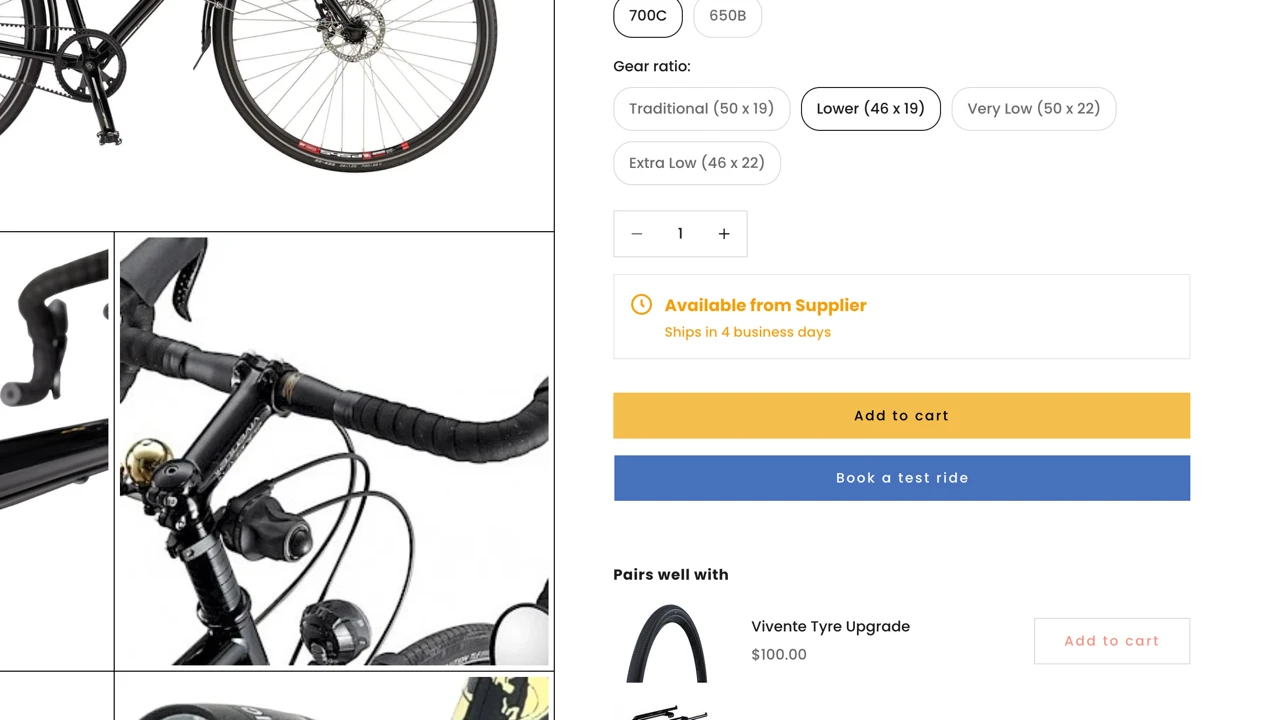
Sell what suppliers hold. Supplier stock is kept apart from the retailer’s own, so the store knows the difference. Product pages can show when a supplier has an item and roughly how long delivery will take, and the product can be sold with confidence.
Built to be trusted without watching:
- A file that has already been processed is never processed twice
- Stock can never go below zero
- A sync that gets stuck recovers by itself
- Every run is logged, with anything that couldn’t be matched put on a short list for a person to look at
Store extras. Along the way I added a few storefront touches, including special order messaging, product notices and a delivery cost calculator.
The Result
The stock sheets are gone. Supplier stock is updated automatically and has never been updated by hand, because at this size it couldn’t be.
Retailers get a store that reflects what they can really sell. Suppliers get their stock in front of customers with no extra work. It is a good example of automation that benefits both sides of the counter.